Stop Fighting Scale and Start Protecting Your Home
If you live in Whitney or anywhere in the Las Vegas valley, you’re familiar with the signs: stubborn white spots on your faucets, cloudy glassware right out of the dishwasher, and skin that feels dry and itchy after a shower. These aren’t just minor annoyances; they are symptoms of a larger problem plaguing your home’s plumbing—hard water. While it’s a reality of living in Southern Nevada, you don’t have to accept the damage it causes. Understanding the impact of hard water is the first step toward finding a lasting solution that protects your pipes, appliances, and peace of mind.
Many homeowners underestimate the costly, long-term effects of mineral buildup. It silently shortens the lifespan of your most expensive appliances and reduces the efficiency of your entire plumbing system. At Monkey Wrench Plumbing, we help residents fix the real cause of their plumbing issues, and in Las Vegas, that often starts with the water itself.
What Exactly Is Hard Water?
Hard water is water with a high concentration of dissolved minerals, primarily calcium and magnesium. As water travels through the Colorado River, it picks up these minerals from rock and soil. By the time it reaches homes in Whitney, it is classified as “very hard.” The severity of water hardness is measured in grains per gallon (GPG) or parts per million (PPM). Las Vegas water consistently measures over 270 PPM, making it some of the hardest water in the United States.
When this mineral-rich water is heated or evaporates, it leaves behind a chalky, white residue known as scale. This scale buildup is the primary culprit behind the numerous plumbing problems homeowners face in our region.
The Costly Consequences of Mineral Buildup
Damage to Your Appliances
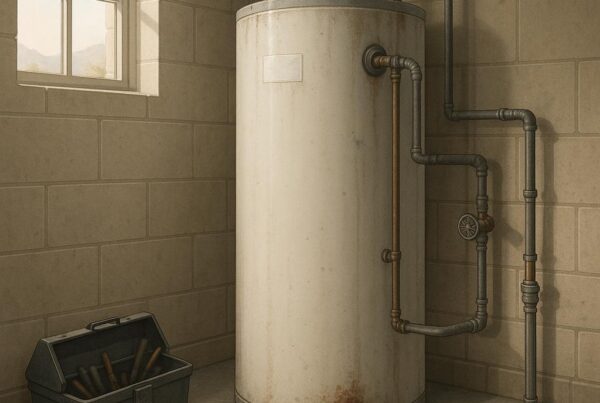
Scale acts like a layer of stone inside your appliances. For your water heater, this means it has to work much harder to heat the water, leading to higher energy bills and premature failure. The same buildup clogs the small components in your dishwasher, washing machine, and coffee maker, leading to expensive repairs and early replacement. If you’re considering upgrading to a more efficient system, it’s crucial to protect it. Our team specializes in installing and maintaining both traditional and tankless water heaters, and a water filtration system is the best way to safeguard that investment.
Stress on Your Pipes and Fixtures
Inside your pipes, scale narrows the available space for water to flow, which causes a gradual drop in water pressure throughout your home. Faucets and showerheads become clogged and lose their effectiveness. This can lead to persistent drainage issues that simple cleaners can’t resolve. Over time, the strain on your plumbing system can contribute to leaks and other serious problems that require emergency repairs.
Impact on Your Daily Life
The effects of hard water go beyond your plumbing. The minerals prevent soap from lathering properly, leaving a film on your skin and hair that makes them feel dry and dull. Clothes washed in hard water can feel stiff and look faded, and your dishes and glassware will be perpetually cloudy. You’ll also find yourself using more soap, detergent, and shampoo to achieve the same level of cleanliness, adding to your household expenses.
| Area of Impact | With Hard Water | With Soft Water |
|---|---|---|
| Appliances | Shortened lifespan, lower efficiency, frequent repairs. | Longer lifespan, higher efficiency, fewer breakdowns. |
| Plumbing & Fixtures | Scale buildup, low water pressure, clogged drains. | Clear pipes, consistent pressure, free-flowing drains. |
| Cleaning | Soap scum, spotted dishes, stiff laundry, higher soap usage. | Spotless dishes, soft laundry, less soap and detergent needed. |
| Skin & Hair | Dry, itchy skin; dull, brittle hair. | Softer, healthier skin and hair. |
Did You Know?
- The U.S. Geological Survey considers any water with over 180 PPM of minerals to be “very hard.” The water in Whitney and Las Vegas is significantly higher than this threshold.
- Just a 1/16th inch of scale buildup in a water heater can reduce its efficiency by up to 15%, forcing it to run longer and use more energy.
- Investing in a water filtration system can pay for itself over time through lower energy bills and by avoiding premature appliance replacement costs.
The Solution: Professional Water Filtration for Your Whitney Home
You can’t change the water source, but you can control the quality of the water that flows through your home. The most effective way to combat hard water is with a whole-home water treatment system.
Water Softeners
A water softener is designed specifically to remove the hardness minerals (calcium and magnesium) through a process called ion exchange. By “softening” the water at the point where it enters your home, you protect every pipe, fixture, and appliance from scale buildup.
Whole-Home Filtration and Reverse Osmosis
For even cleaner, better-tasting water, you might consider a comprehensive water filtration solution. These systems can remove chlorine, sediment, and other contaminants in addition to tackling hardness. A reverse osmosis (RO) system installed at your kitchen sink provides purified water for drinking and cooking, removing up to 99% of dissolved solids.
Your Local Plumbing Experts in Whitney, NV
At Monkey Wrench Plumbing, we aren’t just plumbers; we are problem solvers who understand the unique challenges of living in the Las Vegas area. From Whitney to Henderson and Summerlin, we’ve seen firsthand what hard water can do to a home. That’s why we don’t just fix the symptoms—we provide solutions that tackle the root cause. A professionally installed water treatment system is more than a convenience; it’s a crucial part of a comprehensive plumbing maintenance strategy for any Southern Nevada homeowner.
Protect Your Home from Hard Water Damage
Ready to enjoy the benefits of soft, filtered water? Contact the experts at Monkey Wrench Plumbing. We’ll assess your needs and recommend the perfect system for your home and budget.
Frequently Asked Questions
1. What’s the difference between a water softener and a water filter?
A water softener is specifically designed to remove the minerals that cause hardness (calcium and magnesium). A water filter, on the other hand, is designed to remove a wider range of contaminants like chlorine, pesticides, and sediment, which affect taste and odor. Many homes benefit from having both for complete water treatment.
2. Will a water softener make my water taste salty?
No. A properly functioning water softener uses salt to clean and regenerate the resin beads that capture hardness minerals, but only a negligible amount of sodium is added to the treated water itself during the ion exchange process. The salty water (brine) is flushed out and never enters your home’s water supply.
3. How much maintenance does a water softener require?
Modern water softeners are very low maintenance. The main task for a homeowner is to periodically add salt pellets to the brine tank. We recommend a professional inspection annually as part of a regular plumbing maintenance plan to ensure the system is operating at peak efficiency.
4. How do I know if I need a water softener?
If you live in Whitney or the Las Vegas area, your water is hard. Key signs include stubborn spots on dishes and fixtures, low water pressure, scratchy laundry, and appliances that fail sooner than expected. The best way to know for sure is to have your water professionally tested.
Glossary of Terms
- Hard Water: Water containing high concentrations of dissolved minerals, mainly calcium and magnesium.
- Scale: A hard, chalky deposit of calcium carbonate that builds up inside pipes, fixtures, and appliances from hard water.
- PPM (Parts Per Million): A unit of measurement for the concentration of dissolved minerals in water. Over 180 PPM is considered very hard.
- Water Softener: An appliance that removes hardness minerals from water through a process called ion exchange.
- Reverse Osmosis (RO): A water purification process that uses a semipermeable membrane to remove ions, molecules, and larger particles from drinking water.