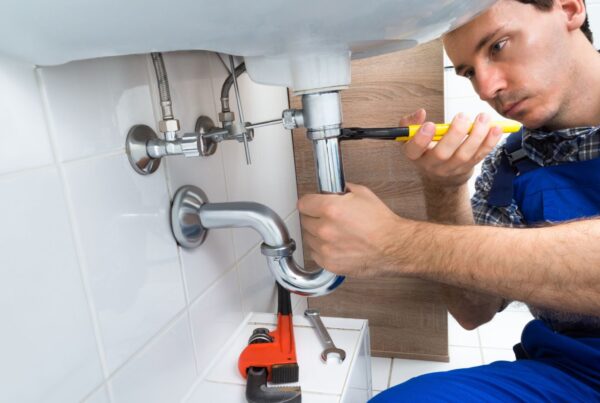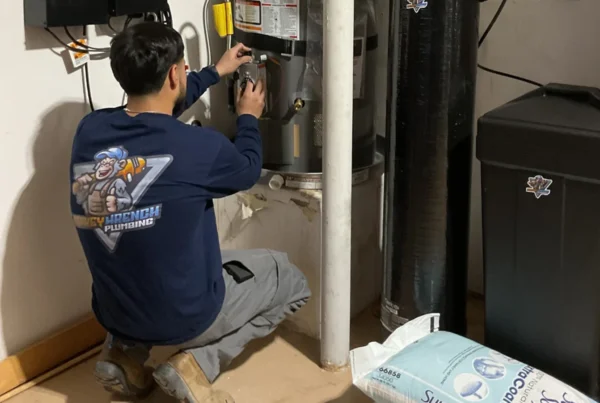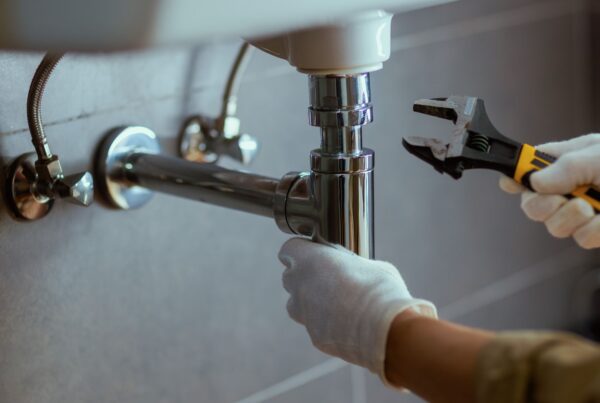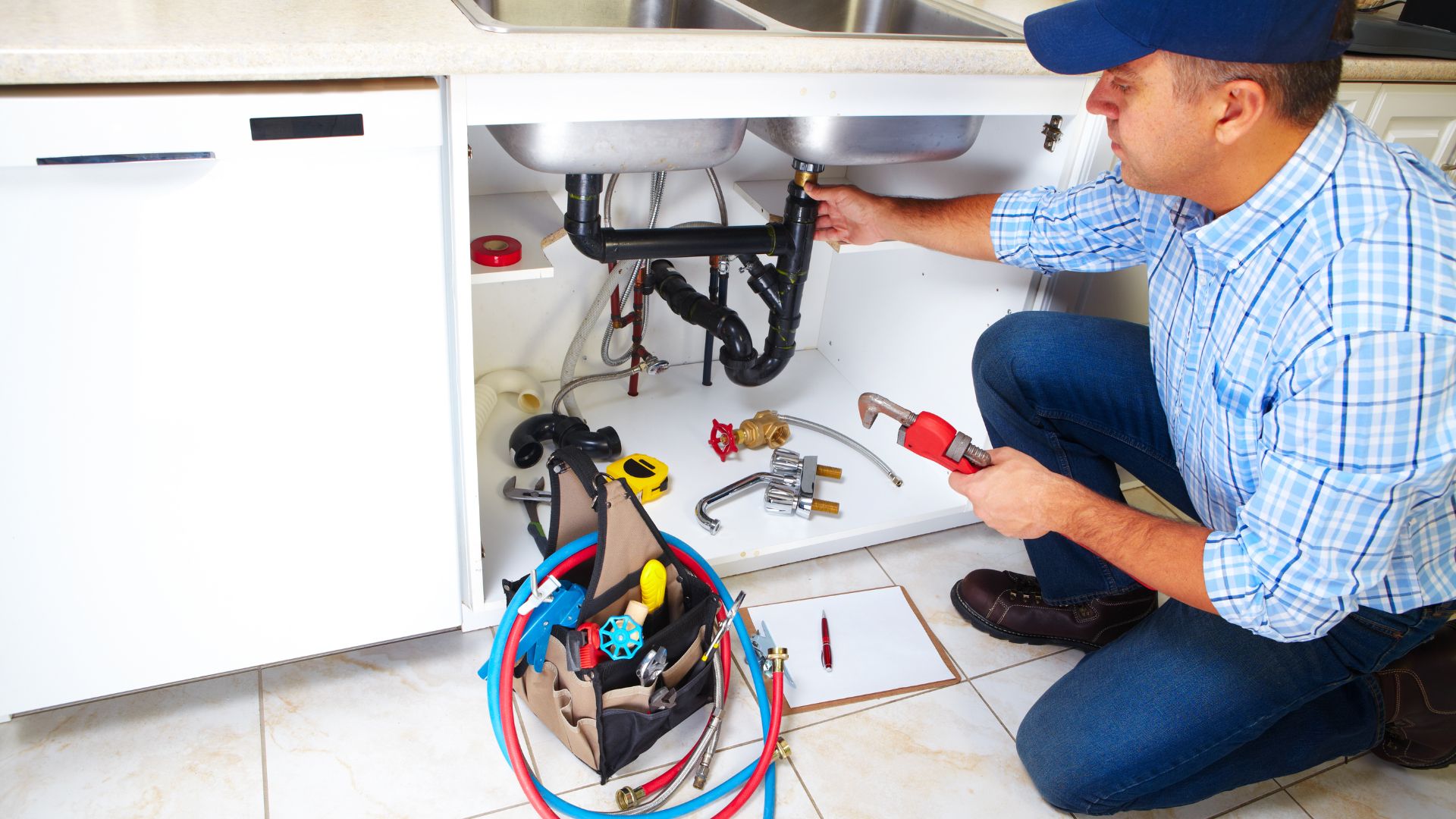
A skilled plumber plays a crucial role in maintaining the safety and efficiency of a home’s water systems. Regular plumbing checkups allow a plumber to identify potential problems before they escalate into costly repairs or cause significant water damage. From inspecting pipes and faucets to monitoring water pressure and checking for leaks, a plumber ensures that every component of the plumbing system functions properly. Consistent maintenance not only prolongs the life of pipes and fixtures but also helps homeowners avoid unexpected disruptions in water supply. By scheduling routine plumbing checkups with a trusted plumber, homeowners can protect their property, improve system performance, and maintain a safe and comfortable living environment for their family.
Early Leak Detection Prevents Major Damage
A plumber stresses that early detection of leaks is critical to preventing structural damage and mold growth. Regular plumbing checkups allow a plumber to inspect pipes, faucets, and water heaters for even the smallest leaks. Identifying these issues early prevents water from seeping into walls, floors, and foundations, which can lead to costly repairs. A plumber also monitors water pressure and flow rates, which helps detect hidden leaks that might go unnoticed. By addressing leaks promptly, a plumber ensures the home remains safe, reduces water waste, and protects property value. Consistent monitoring helps homeowners avoid emergencies caused by neglected plumbing issues.
Pipe Integrity Checks Enhance System Longevity
A plumber highlights the importance of assessing pipe integrity during routine checkups. Over time, pipes can develop corrosion, cracks, or weakened joints, increasing the risk of leaks or bursts. Regular inspections allow a plumber to identify these vulnerabilities and replace or repair compromised sections. Maintaining pipe integrity ensures consistent water flow, prevents flooding, and extends the lifespan of the plumbing system. A plumber also examines connections, seals, and fittings to avoid future failures. By prioritizing pipe health, homeowners benefit from reliable water supply, fewer maintenance emergencies, and reduced repair costs, while preserving the overall efficiency and safety of their plumbing infrastructure.
Regular Pipe Inspections Prevent Leaks
Routine inspections by a plumber help identify corrosion, cracks, and weak joints early. Addressing these issues promptly prevents leaks, water damage, and costly repairs, ensuring the home’s plumbing system remains safe, reliable, and functional throughout the year.
Repairing Compromised Sections Maintains Flow
A plumber replaces or repairs damaged pipe sections during checkups to maintain consistent water flow. Timely intervention prevents unexpected bursts, minimizes flooding risks, and protects both the plumbing system and the home’s structural integrity.
Evaluating Connections and Seals
Examining pipe connections and seals ensures tight fittings and prevents potential leaks. A plumber checks every joint to maintain system stability, avoiding disruptions and costly emergency repairs caused by weak or worn-out components.
Extending Plumbing Lifespan
Maintaining pipe integrity through inspections and repairs helps extend the lifespan of plumbing systems. A plumber ensures that pipes remain durable, reducing the need for frequent replacements and protecting the home’s water infrastructure over time.
Reducing Maintenance Emergencies
Prioritizing pipe health lowers the chances of sudden plumbing failures. A plumber’s proactive care minimizes maintenance emergencies, reduces repair costs, and ensures homeowners enjoy a reliable and efficient water supply throughout the home.
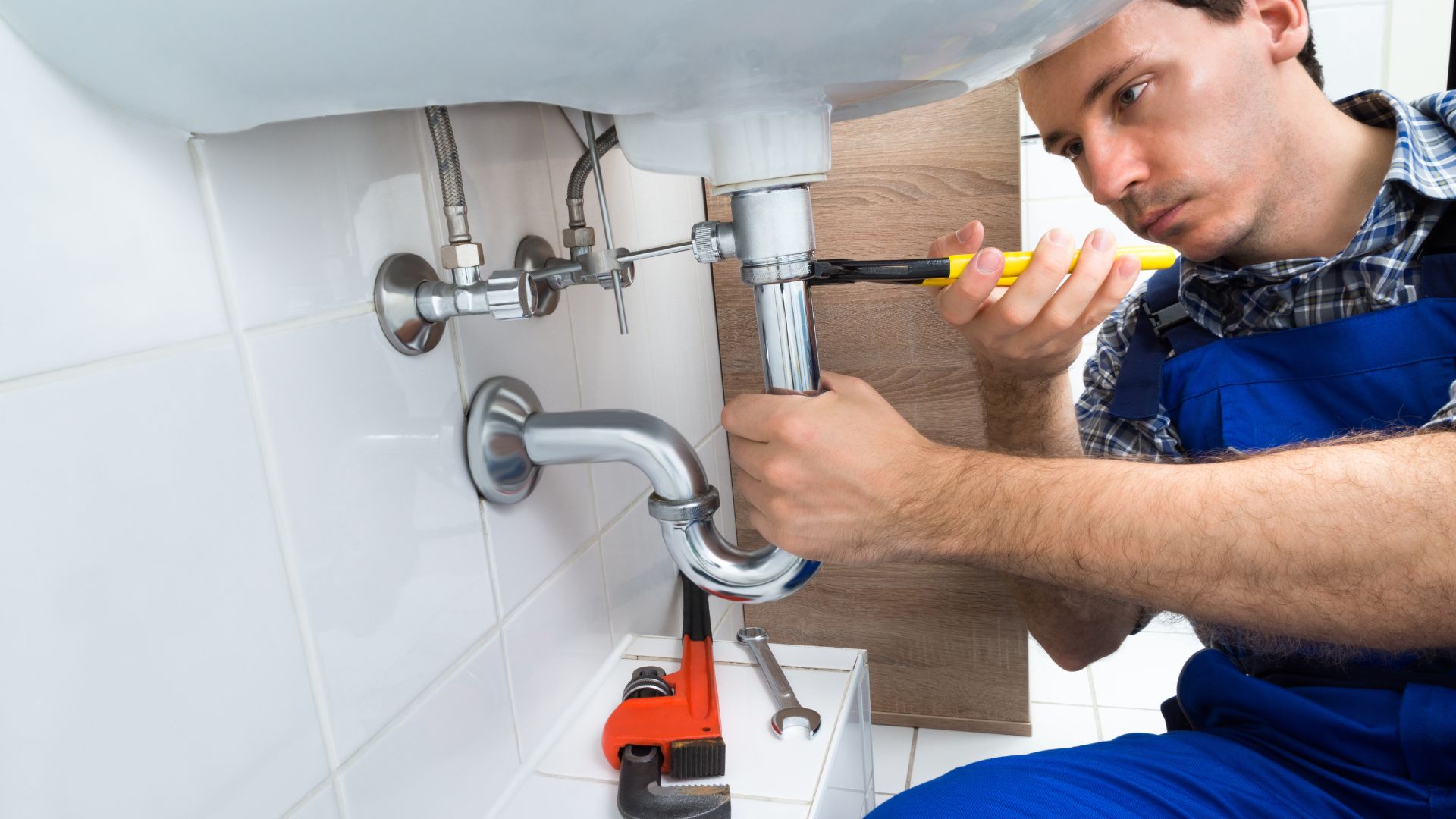
 Fixture Maintenance Prevents Unnecessary Water Waste
Proper maintenance of sinks, toilets, showers, and faucets is essential for efficient water use. A plumber checks fixtures for leaks, worn seals, and dripping components during regular inspections. Addressing these minor issues prevents water wastage and reduces utility costs. A plumber also ensures that fixtures operate smoothly, maintaining proper flow rates and pressure. Timely repairs or replacements by a plumber help prevent sudden malfunctions that can disrupt daily routines. By keeping fixtures in optimal condition, homeowners not only conserve water but also maintain hygiene standards and protect plumbing systems from the strain caused by inefficient or leaking components.
Water Pressure Monitoring Protects Home Plumbing
Excessive or inconsistent water pressure can damage pipes, joints, and appliances over time. A plumber monitors water pressure during routine checkups to ensure it remains within safe levels. High pressure may cause leaks or burst pipes, while low pressure can reduce system efficiency. A plumber may install regulators or make adjustments to maintain balanced flow, protecting the plumbing system and connected appliances. Regular monitoring prevents sudden failures and prolongs the life of pipes and fixtures. By relying on a plumber to manage water pressure, homeowners safeguard their home from preventable damage and maintain consistent performance in all water-dependent systems.
Water Heater Inspections Extend Lifespan
A plumber emphasizes the need for regular water heater inspections to maintain safety and efficiency. Checkups involve examining tanks, connections, valves, and heating elements for signs of wear, corrosion, or leaks. Timely maintenance prevents water heater failures that could flood the home or disrupt hot water supply. A plumber also ensures proper temperature settings and flushes the tank to remove sediment buildup. Routine inspections extend the water heater’s lifespan, reduce energy consumption, and prevent costly emergency replacements. By scheduling water heater maintenance with a plumber, homeowners secure reliable hot water, improve efficiency, and protect the home from potential water damage caused by equipment failure.
Drainage System Care Prevents Blockages
A plumber highlights that maintaining drains and sewer lines is vital to avoid backups and water damage. Regular checkups allow a plumber to remove buildup, inspect pipe slopes, and address slow drainage issues. Ignoring drain maintenance can lead to clogs, overflowing sinks, or basement flooding. A plumber uses specialized tools to detect hidden blockages and ensures that wastewater flows efficiently. Routine care prevents unpleasant odors, structural damage, and costly emergency repairs. By entrusting drainage maintenance to a plumber, homeowners preserve system efficiency, reduce water-related hazards, and extend the overall life of their plumbing network, keeping their home safe and functional.
Seasonal Plumbing Preparations Avoid Unexpected Issues
A plumber advises preparing plumbing systems for seasonal changes to prevent damage. Cold weather can freeze pipes, while summer months may increase water demand. Routine checkups allow a plumber to insulate vulnerable pipes, test outdoor systems, and verify proper pressure levels. Seasonal preparation prevents pipe bursts, leaks, and other avoidable emergencies. A plumber also identifies areas where temperature fluctuations or heavy usage could compromise plumbing integrity. By addressing seasonal challenges proactively, homeowners avoid costly repairs and maintain reliable water systems year-round. Regular guidance from a plumber ensures that homes are protected against seasonal stresses, enhancing the durability and performance of all plumbing components.
Professional Guidance Supports Homeowner Awareness
A plumber not only performs inspections but also educates homeowners on maintaining plumbing systems effectively. During regular checkups, a plumber shares insights on water conservation, early warning signs of leaks, and proper usage of fixtures. This guidance empowers homeowners to detect minor issues before they escalate, reducing risk and repair costs. A plumber also advises on maintenance schedules, pipe care, and drainage management tailored to the home. By collaborating with a plumber, homeowners gain a better understanding of their water systems, make informed decisions about repairs, and maintain a safe, efficient, and long-lasting plumbing infrastructure.
Conclusion
Regular plumbing checkups are essential for maintaining the safety, efficiency, and longevity of a home’s water systems. By scheduling routine inspections, a plumber can detect leaks, monitor water pressure, and ensure pipes and fixtures remain in optimal condition. Consistent maintenance prevents costly repairs, reduces water waste, and protects the home from unexpected damage, giving homeowners peace of mind and reliable plumbing performance.
For residents in Las Vegas, Monkey Wrench Plumbing is ready to provide professional plumbing services and expert guidance. Contact us at (702) 900-5992 to schedule your regular checkup and safeguard your home’s plumbing systems today.