Don’t Get Caught in a Cold Shower: A Homeowner’s Guide to Water Heater Health
Your water heater is one of the hardest-working appliances in your home. It provides hot water for showers, laundry, and dishes, operating silently in the background—until it doesn’t. An unexpected breakdown can disrupt your entire routine and lead to costly water damage. For homeowners in Spring Valley and across the Las Vegas area, understanding the warning signs of a failing water heater isn’t just helpful; it’s essential for avoiding a plumbing emergency. This guide will help you spot the signals that your system needs professional attention before it’s too late.
Recognizing the Red Flags of Water Heater Failure
A water heater rarely fails without warning. By paying attention to subtle changes in its performance and appearance, you can catch problems early. Here are the most common indicators that it’s time to call a professional.
1. Inconsistent Water Temperature
If your hot showers are turning lukewarm unexpectedly, it’s a clear sign something is wrong. This could be caused by a failing heating element in an electric model or a faulty thermocouple in a gas unit. Mineral sediment buildup from Las Vegas’ notoriously hard water can also insulate the heating elements, making them less effective. While you might be tempted to just turn up the thermostat, this only masks the problem and increases your energy bills.
2. Discolored or Smelly Water
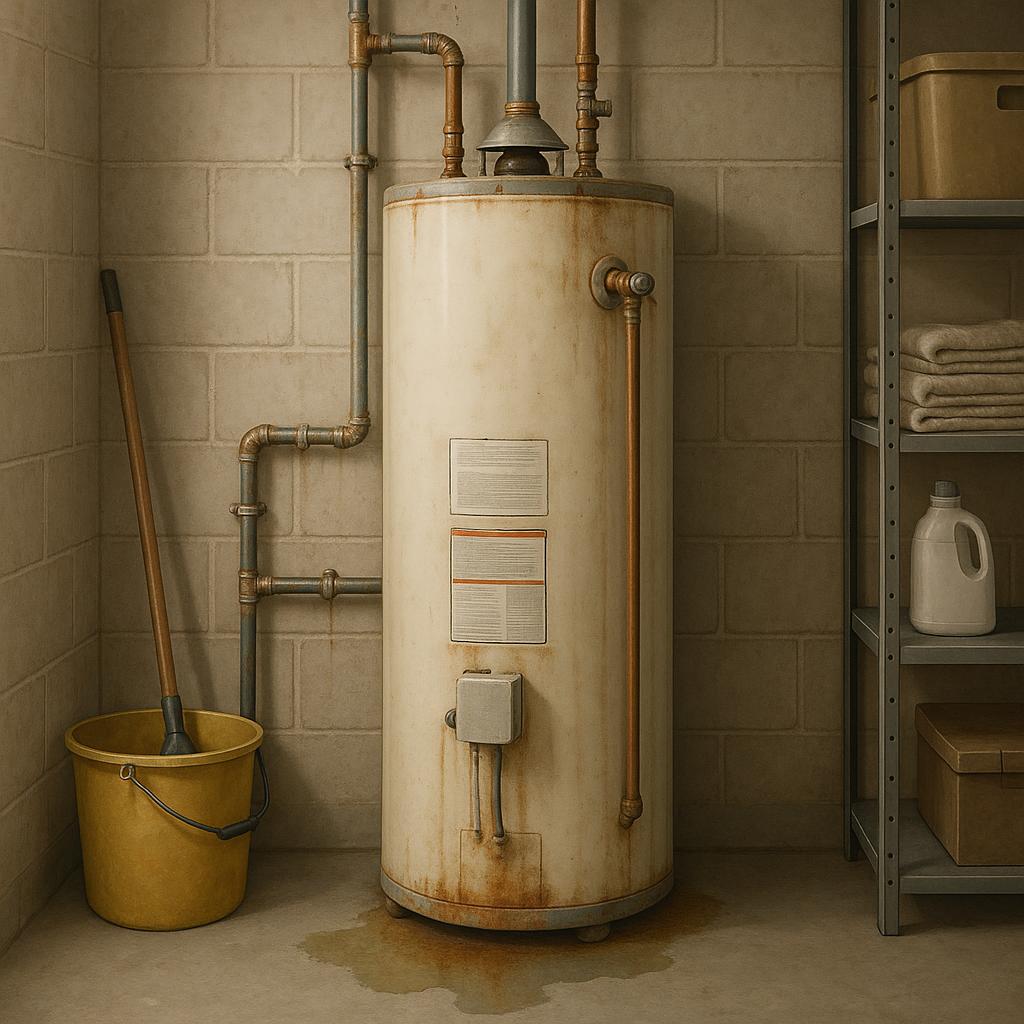
Is the hot water from your taps rusty or cloudy? This often indicates that the inside of your water heater tank is corroding. The anode rod, a component designed to prevent rust, may be depleted. Once rust takes hold, the structural integrity of the tank is compromised, putting you at risk for a major leak. Similarly, a rotten egg smell points to a bacterial infection inside the tank, which needs to be professionally flushed and sanitized.
3. Strange Noises
Your water heater should operate quietly. Popping, rumbling, or banging sounds are typically caused by sediment buildup at the bottom of the tank. As the water heats, it gets trapped under these hardened mineral deposits and boils, causing the strange noises. This not only reduces efficiency but also puts significant stress on the tank, which can lead to cracks and leaks over time. Regular plumbing maintenance can help flush this sediment out.
4. Leaks or Moisture Around the Unit
Any sign of water around your water heater is a serious concern. While it could be a simple issue like a loose connection or a faulty pressure relief valve, it could also be a sign of a crack in the tank itself. A leaking tank is not repairable and requires a complete replacement. Check for puddles, drips, or rust stains on the floor around the unit and on the fittings.
5. Age of the Unit
A traditional tank-style water heater typically lasts 8 to 12 years. If yours is approaching or has surpassed the decade mark, it’s living on borrowed time. You can find the manufacturing date on the serial number sticker—the first two digits often represent the year. Proactively replacing an older unit can save you from the headache of an emergency failure and allow you to upgrade to a more energy-efficient model, like a tankless water heater, which can lower your utility bills.
Did You Know?
Water heating is the second largest energy expense in a typical American home, accounting for about 18% of the utility bill. An old, inefficient water heater works harder to heat the same amount of water, wasting energy and money.
Furthermore, the hard water in Spring Valley significantly accelerates mineral buildup (scale) inside the tank. This scale can reduce a heater’s efficiency by up to 40%, forcing it to run longer and wear out faster. This is why considering a whole-home water filtration system is a wise investment for local homeowners.
Repair or Replace? Making the Right Choice
When your water heater acts up, the big question is whether to repair it or replace it. The answer depends on the age of the unit, the extent of the problem, and the cost of the repair. Here’s a simple breakdown to guide your decision:
Consider Repairing If:
- Your water heater is less than 8 years old.
- The issue is a minor component failure, like a heating element or thermocouple.
- The repair cost is less than 50% of the price of a new unit.
- You’ve kept up with regular maintenance.
Consider Replacing If:
- Your water heater is over 10 years old.
- The tank is leaking or showing signs of significant rust.
- You are facing frequent and costly repairs.
- You want to improve energy efficiency and lower your utility bills.
A Local Focus for Spring Valley, NV Homeowners
Living in Spring Valley means dealing with the unique challenges of our desert climate and hard water. These factors put extra stress on our plumbing systems, especially water heaters. At Monkey Wrench Plumbing, we understand these local conditions. Our licensed plumbers are trained to diagnose issues specific to our area and recommend solutions that last. We’ve helped thousands of your neighbors in Spring Valley and the greater Las Vegas area get their hot water back without stress or surprises.
Reliable Hot Water is a Call Away
If you’ve noticed any of these warning signs, don’t wait for a complete breakdown. The team at Monkey Wrench Plumbing is ready to help. We provide transparent pricing and expert service to fix your problem right the first time.
Frequently Asked Questions
How often should I have my water heater professionally maintained?
We recommend having your water heater professionally inspected and flushed at least once a year. Annual maintenance is especially important in the Las Vegas area due to hard water, as it helps remove sediment buildup, check the anode rod, and ensure the unit is running efficiently and safely.
Can I replace my own water heater?
While it might seem like a DIY project, we strongly advise against it. Water heater installation involves working with gas or high-voltage electrical lines, as well as complex plumbing connections. Improper installation can lead to dangerous gas leaks, carbon monoxide poisoning, water damage, or an invalidated warranty. It’s always safest to hire a licensed and insured plumber.
What are the benefits of a tankless water heater?
Tankless water heaters provide hot water on demand, meaning you never run out. They are also more energy-efficient because they only heat water when needed, which can save you money on utility bills. They also have a longer lifespan (often 20+ years) and take up much less space than traditional tank models.
What should I do if my water heater is actively leaking?
First, shut off the water supply to the heater using the valve located on the cold water pipe above the unit. Next, turn off the power source—for an electric heater, switch off the corresponding breaker in your electrical panel; for a gas heater, turn the gas valve to the “off” position. Then, call a professional plumber like Monkey Wrench Plumbing for emergency service.