A professional plumber plays a crucial role in safeguarding homes from water damage, one of the most costly and disruptive issues homeowners can face. A skilled plumber shares strategies that focus on preventing leaks, maintaining pipes, and ensuring that water systems function efficiently throughout the year. From inspecting plumbing fixtures to identifying early signs of corrosion or wear, these strategies help reduce the risk of unexpected flooding or structural damage. A plumber emphasizes the importance of regular maintenance, proper drainage, and timely repairs, which can save homeowners significant time and expense. By following the insights provided by a knowledgeable plumber, families can protect their property, improve water efficiency, and enjoy peace of mind knowing their home is safe from potential water-related problems.
Regular Plumbing Inspections Prevent Major Damage
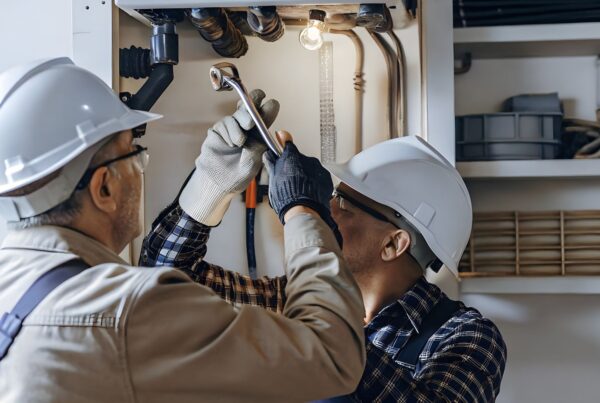
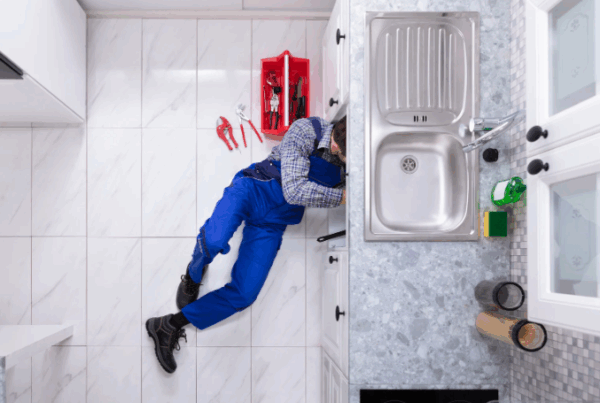
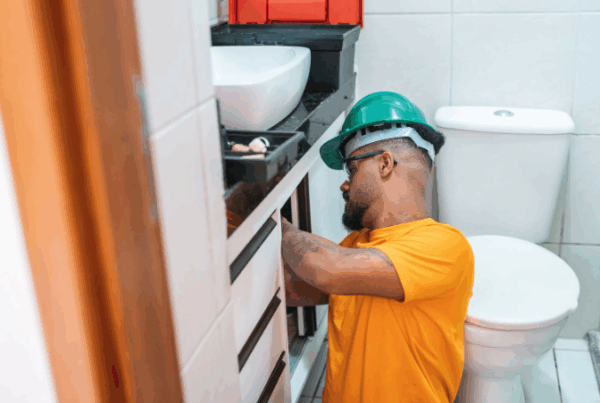
Routine inspections by a plumber are essential to catch minor leaks, corrosion, or worn-out pipes before they escalate. A plumber examines critical areas such as water heaters, sinks, toilets, and exposed pipes to identify vulnerabilities that could lead to water damage. Inspections also help detect slow leaks hidden behind walls or under floors, which can cause mold growth and structural weakening over time. A plumber’s thorough evaluation includes checking water pressure, pipe connections, and drainage efficiency. By scheduling regular inspections, homeowners can address issues promptly, extend the lifespan of their plumbing system, and minimize costly repairs caused by neglected maintenance.
Proper Pipe Maintenance Reduces Leak Risks
Maintaining pipes is a key strategy a plumber uses to prevent water damage in homes. Over time, pipes can develop corrosion, cracks, or loose fittings, increasing the risk of leaks. A plumber ensures that pipes are cleaned, flushed, and inspected regularly, removing buildup that could obstruct water flow. Proper maintenance also involves checking joints, replacing worn-out sections, and applying protective coatings when necessary. By keeping pipes in optimal condition, a plumber helps maintain consistent water pressure and prevents unexpected ruptures. Consistent pipe care not only safeguards the home against flooding but also enhances the overall efficiency and longevity of the plumbing system.
Regular Pipe Cleaning and Flushing
Routine cleaning and flushing of pipes remove buildup and debris that can obstruct water flow. A plumber ensures that internal pipe surfaces remain clear, reducing the risk of blockages, leaks, and water damage, while maintaining smooth and efficient plumbing performance throughout the home.
Inspecting Pipes for Corrosion and Cracks
A plumber routinely inspects pipes to identify corrosion, cracks, or weak points. Early detection prevents leaks and structural damage, ensuring the plumbing system remains durable, reliable, and capable of handling water pressure without unexpected failures or costly repairs.
Checking Joints and Connections
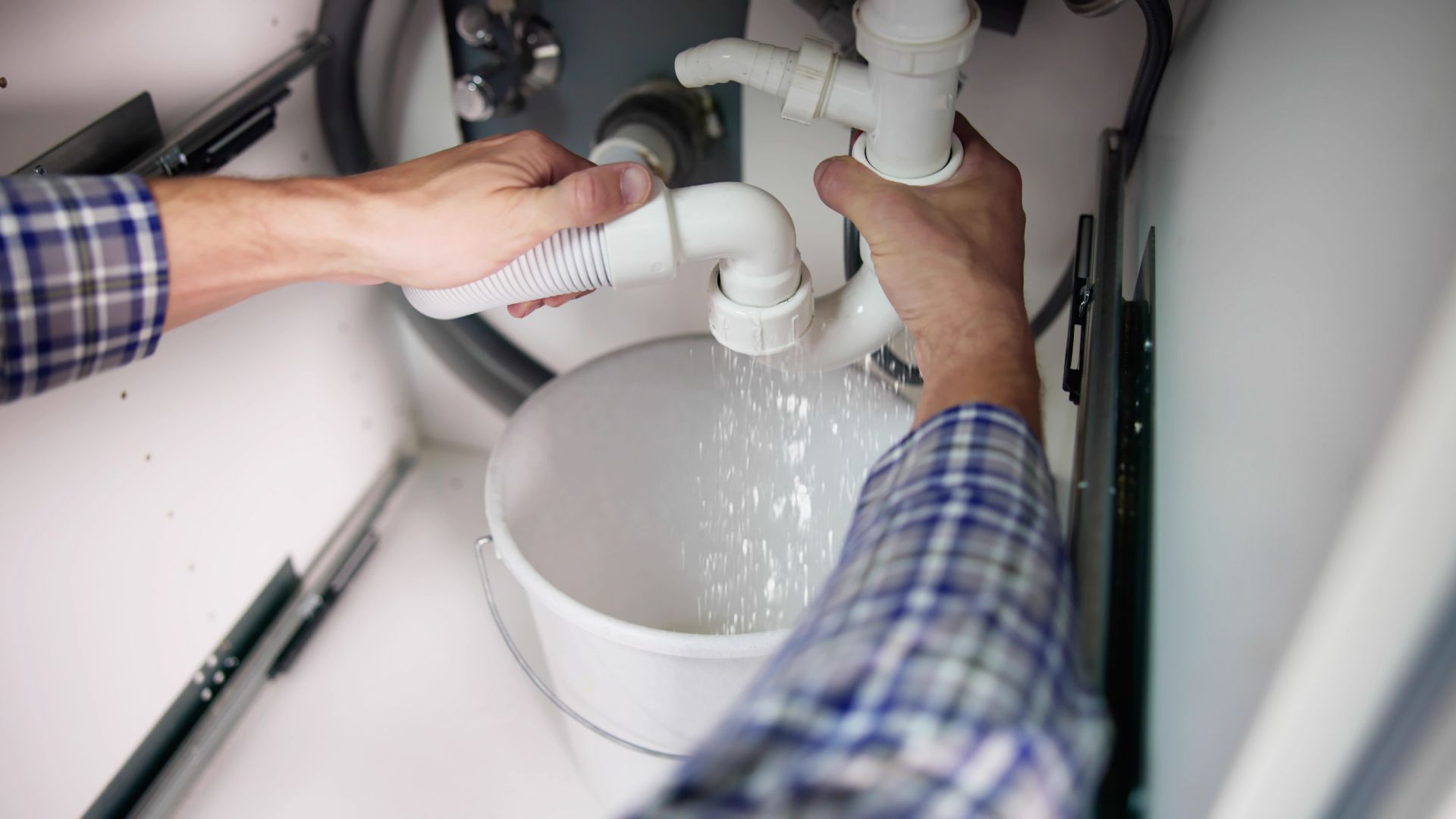
Proper maintenance includes evaluating pipe joints and connections for wear or looseness. A plumber tightens, seals, or replaces compromised sections, preventing water leakage and improving overall plumbing integrity, reducing the risk of flooding and prolonged water damage in the home.
Replacing Worn-Out Pipe Sections
Pipes that show signs of deterioration or frequent leaks are replaced by a plumber to maintain system reliability. Replacing damaged sections protects the home from unexpected water damage while ensuring consistent pressure and flow throughout the plumbing network.
Applying Protective Coatings for Longevity
A plumber may apply protective coatings to pipes to prevent corrosion and extend their lifespan. These treatments safeguard plumbing systems from environmental factors, reduce maintenance frequency, and help homeowners avoid costly repairs caused by weakened or compromised pipes.
 Timely Leak Repairs Protect Home Structure
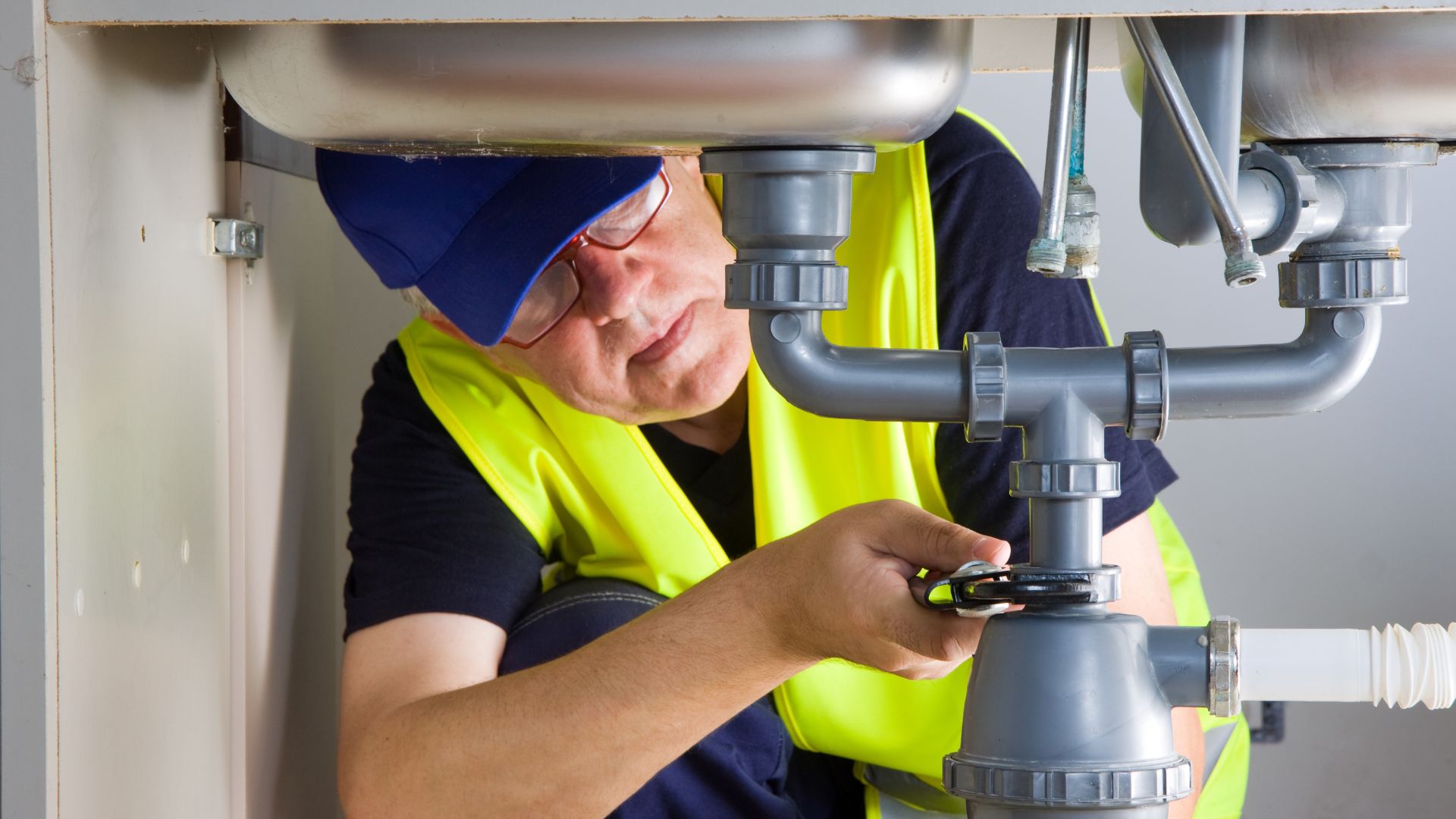
A plumber emphasizes the importance of addressing leaks as soon as they are detected. Even minor leaks can gradually damage floors, walls, and foundations if left untreated. A plumber identifies leak sources using specialized tools and techniques, ensuring precise repairs that prevent further deterioration. Timely intervention helps avoid mold growth, wood rot, and electrical hazards caused by moisture exposure. A plumber also educates homeowners on monitoring water usage and recognizing early warning signs of leaks. By repairing issues promptly, a plumber minimizes property damage, maintains indoor air quality, and ensures that plumbing systems continue to function efficiently and safely.
Drainage System Maintenance Prevents Overflow
Proper drainage is crucial to preventing water damage, and a plumber highlights methods to maintain it effectively. Regular cleaning of drains, removal of blockages, and monitoring water flow are essential steps. A plumber inspects sewer lines, storm drains, and indoor pipes to ensure unobstructed drainage and prevent backups. Slow or clogged drains can cause water to pool in basements, bathrooms, and kitchens, leading to structural and mold-related issues. A plumber also advises on slope adjustments and venting improvements to optimize water movement. Maintaining a reliable drainage system ensures that water is directed away from the home, reducing the risk of flooding and associated damage.
Water Pressure Regulation Protects Plumbing Integrity
Excessive water pressure can stress pipes and fixtures, increasing the likelihood of leaks and bursts. A plumber carefully monitors water pressure levels and installs regulators where necessary to maintain safe levels. Proper water pressure not only prevents damage but also improves the efficiency of showers, faucets, and appliances. A plumber may also check for pressure fluctuations caused by municipal supply issues or internal plumbing faults. By managing water pressure, a plumber helps extend the lifespan of plumbing components and reduces the risk of sudden pipe failures. Homeowners benefit from consistent water flow and fewer maintenance emergencies when pressure is properly controlled.
Seasonal Preparation Prevents Winter Pipe Damage
Cold weather can cause pipes to freeze, crack, or burst, leading to significant water damage. A plumber prepares homes for seasonal changes by insulating vulnerable pipes and checking for leaks that could worsen in winter. Preventive measures include sealing openings, maintaining proper indoor temperatures, and draining outdoor lines. A plumber may also advise on temporary water shutoffs during extreme cold. Seasonal preparation minimizes the risk of costly repairs caused by frozen pipes and ensures that water systems remain functional throughout the year. Homeowners gain peace of mind knowing that their plumbing is protected against temperature-related damage with guidance from a skilled plumber.
Efficient Appliance Connections Reduce Risk of Leaks
A plumber ensures that all water-connected appliances, such as washing machines and water heaters, are properly installed and maintained. Incorrect connections or aging hoses can lead to leaks and water damage. A plumber inspects fittings, verifies water pressure compatibility, and replaces worn components when necessary. Regular maintenance of appliance connections prevents unexpected flooding and extends the lifespan of both appliances and plumbing systems. By paying close attention to these critical points, a plumber reduces the chances of water-related emergencies, helping homeowners maintain a safe and functional home environment.
Early Detection Tools Minimize Home Damage
Advanced tools allow a plumber to detect hidden leaks and vulnerabilities before they cause significant water damage. Moisture sensors, thermal imaging, and pressure monitors help identify potential issues behind walls, under floors, or in ceilings. A plumber uses these technologies to pinpoint trouble spots accurately, allowing targeted repairs that prevent costly structural problems. Early detection not only protects the home but also saves time and expense by avoiding extensive damage. With a plumber’s expertise and modern equipment, homeowners can maintain their property’s integrity, ensuring that water systems operate smoothly and that the home remains safe from hidden water threats.
Conclusion
Preventing home water damage requires attention, maintenance, and the expertise of a skilled plumber. By following the strategies shared in this guide, homeowners can address leaks early, maintain pipes, regulate water pressure, and protect their property from costly damage. A knowledgeable plumber ensures that water systems remain safe, efficient, and durable, helping families maintain a secure and comfortable living environment.
For residents in Las Vegas, Monkey Wrench Plumbing is ready to provide professional support for all plumbing needs. Contact us at (702) 900-5992 to schedule inspections, maintenance, or repairs. Protect your home today with trusted plumbing expertise.