Is Your Hot Water Supply Unreliable? Don’t Wait for a Cold Shower to Find Out Why.
A dependable water heater is essential for daily life, from washing dishes to enjoying a relaxing shower. But here in North Las Vegas, our notoriously hard water can put extra strain on this vital appliance, leading to premature failure and unexpected breakdowns. Recognizing the early warning signs can save you from the stress of a plumbing emergency, water damage, and costly replacements. This guide will help you spot the trouble before it starts.
Key Warning Signs Your Water Heater Needs Attention
Your water heater will almost always give you clues that something is wrong. Paying attention to these signals is the first step in preventing a major failure.
1. Strange Noises
Are you hearing popping, rumbling, or crackling sounds coming from your water heater tank? This is often caused by sediment buildup at the bottom of the tank. As the sediment gets heated, it hardens and can cause the system to make noise, work harder, lose efficiency, and eventually lead to tank damage.
2. Discolored or Rusty Water
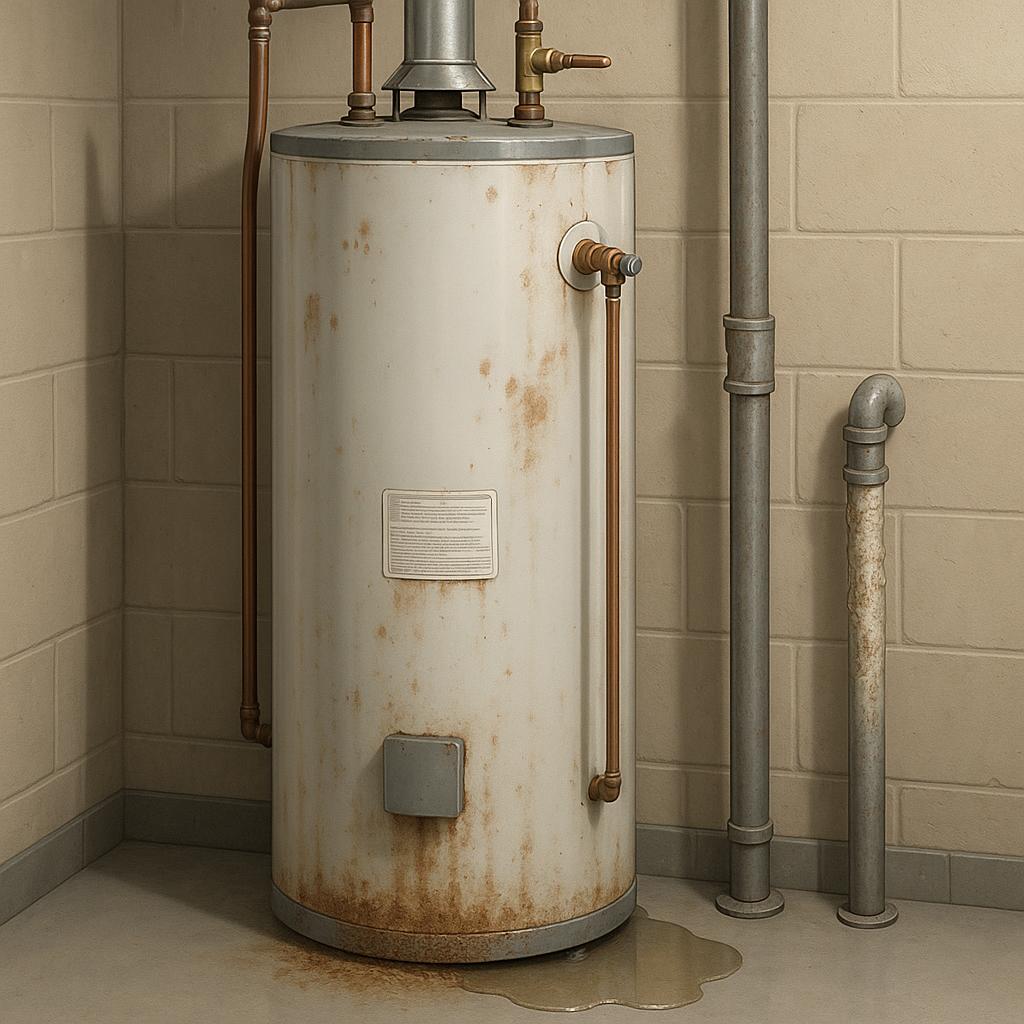
If you turn on the hot water and see a brownish or rusty tint, it’s a strong indication that the inside of your water heater tank is corroding. The sacrificial anode rod, which is designed to prevent rust, may have completely deteriorated, leaving the tank vulnerable. This internal rust can lead to leaks and total unit failure.
3. Lukewarm or Inconsistent Hot Water
Does your hot water run out faster than it used to? This could be a problem with a failing heating element (in electric models) or a malfunctioning thermostat. Sediment buildup can also displace hot water in the tank, reducing its capacity and leaving you with a shorter supply of hot water for your needs.
4. Water Leaks Around the Unit
Any sign of moisture or pooling water around the base of your water heater is a serious red flag. While it could be a simple issue with a connection or the temperature and pressure relief valve, it could also indicate a fracture in the tank itself. A leaking tank cannot be repaired and requires immediate replacement to prevent significant water damage.
The North Las Vegas Challenge: Hard Water and Your Plumbing
Living in North Las Vegas means dealing with some of the hardest water in the country. This high concentration of minerals like calcium and magnesium creates sediment that accumulates inside your water heater. This buildup forces the unit to work harder to heat water, reduces its efficiency, and shortens its lifespan significantly. Regular plumbing maintenance, including flushing the tank, is crucial. For a long-term solution, a whole-home water filtration system can protect not just your water heater, but all your pipes and appliances.
Did You Know?
The average lifespan of a conventional tank water heater is 8-12 years. However, in areas with hard water like North Las Vegas, this can be reduced by several years without proper maintenance. A failing water heater can also account for up to 17% of your home’s total energy consumption as it loses efficiency.
Repair or Replace? Making the Right Choice
Deciding whether to repair your existing unit or invest in a new one can be tricky. Here are a few factors to help guide your decision.
| Consideration | Repair Is a Good Option If… | Replacement Is a Better Option If… |
|---|---|---|
| Age of Unit | The water heater is less than 8-10 years old. | The unit is over 10 years old and nearing the end of its expected lifespan. |
| Cost of Repair | The repair cost is less than 50% of the price of a new unit. | The repair is expensive, and you may face more repairs soon. |
| Frequency of Problems | This is the first significant issue you’ve had. | You’re calling for repairs frequently. The costs are adding up. |
| Energy Bills | Your energy bills have remained relatively stable. | Your utility bills are climbing due to the unit’s inefficiency. |
Considering an upgrade? Modern water heaters are far more energy-efficient, and tankless water heaters offer on-demand hot water, significant energy savings, and a much longer lifespan, making them an excellent investment for North Las Vegas homes.
Your Local Water Heater Experts in North Las Vegas
At Monkey Wrench Plumbing, we understand the unique plumbing challenges our community faces. Our licensed plumbers are trained to diagnose the real cause of your water heater problems and provide transparent, effective solutions. Whether you need a quick repair to get your hot water back or a full replacement with a high-efficiency system, we have the expertise to get the job done right. We serve homeowners across North Las Vegas and the surrounding areas, ensuring you get fast, reliable service when you need it most.
Don’t Get Left in the Cold!
If your water heater is showing any of these signs, don’t wait for a breakdown. Contact the experts at Monkey Wrench Plumbing for an honest assessment and a worry-free solution.
Frequently Asked Questions
How long should a water heater last in North Las Vegas?
While the national average for a tank water heater is 8-12 years, the hard water in our area often reduces this to 6-10 years. Regular maintenance, such as flushing sediment, is critical to maximizing its lifespan. Tankless models can last 20 years or more.
Is it worth upgrading to a tankless water heater here?
Absolutely. A tankless water heater provides endless hot water on demand, is more energy-efficient (saving you money on utility bills), and has a much longer lifespan. It’s also less susceptible to the sediment buildup that plagues tank models, making it a great choice for Las Vegas homeowners.
What does a new water heater installation typically cost?
The cost varies depending on the type (conventional vs. tankless), size, and brand of the unit. At Monkey Wrench Plumbing, we provide clear, upfront pricing with no surprises. You can get a free, no-obligation quote tailored to your home’s specific needs.
Can I perform water heater maintenance myself?
Some basic tasks, like checking the temperature setting, can be done by homeowners. However, more complex jobs like flushing the tank, checking the anode rod, or testing the T&P valve should be handled by a licensed professional to ensure safety and proper function.
Glossary of Terms
Anode Rod: A metal rod (usually magnesium or aluminum) that hangs inside the water heater tank. It “sacrifices” itself by corroding first, which protects the steel tank from rusting.
Hard Water: Water with a high mineral content, primarily calcium and magnesium. This is common in the Las Vegas valley and leads to scale and sediment buildup.
Sediment: The minerals and debris from hard water that settle at the bottom of a water heater tank. This buildup can reduce efficiency, cause damage, and create noises.
T&P Valve (Temperature & Pressure Relief Valve): A critical safety device on a water heater that automatically opens to release pressure if the temperature or pressure inside the tank gets too high.