Don’t Let Plumbing Nightmares Disrupt Your Las Vegas Life
Living in Las Vegas offers plenty of excitement, but it also comes with unique challenges for homeowners—especially when it comes to plumbing. The combination of intense summer heat and some of the hardest water in the country can put a serious strain on your pipes, fixtures, and appliances. Understanding these local challenges is the first step toward preventing major headaches and costly repairs.
From chalky buildup on your faucets to a water heater that just can’t keep up, these issues are more than minor annoyances; they’re signs that your plumbing system is under stress. At Monkey Wrench Plumbing, we’ve seen it all. We’re here to help you identify the most common plumbing problems in Las Vegas and provide practical, effective solutions to keep your home running smoothly.
1. The #1 Culprit: Las Vegas’ Incredibly Hard Water
If you’ve lived here for any length of time, you’re familiar with the effects of hard water. Las Vegas water is rich in minerals like calcium and magnesium, which it picks up from the Colorado River. With a hardness rating of over 270 parts per million (ppm), our water is classified as “very hard.” This mineral content is the root cause of many plumbing issues in the valley.
What’s the Big Deal with Hard Water?
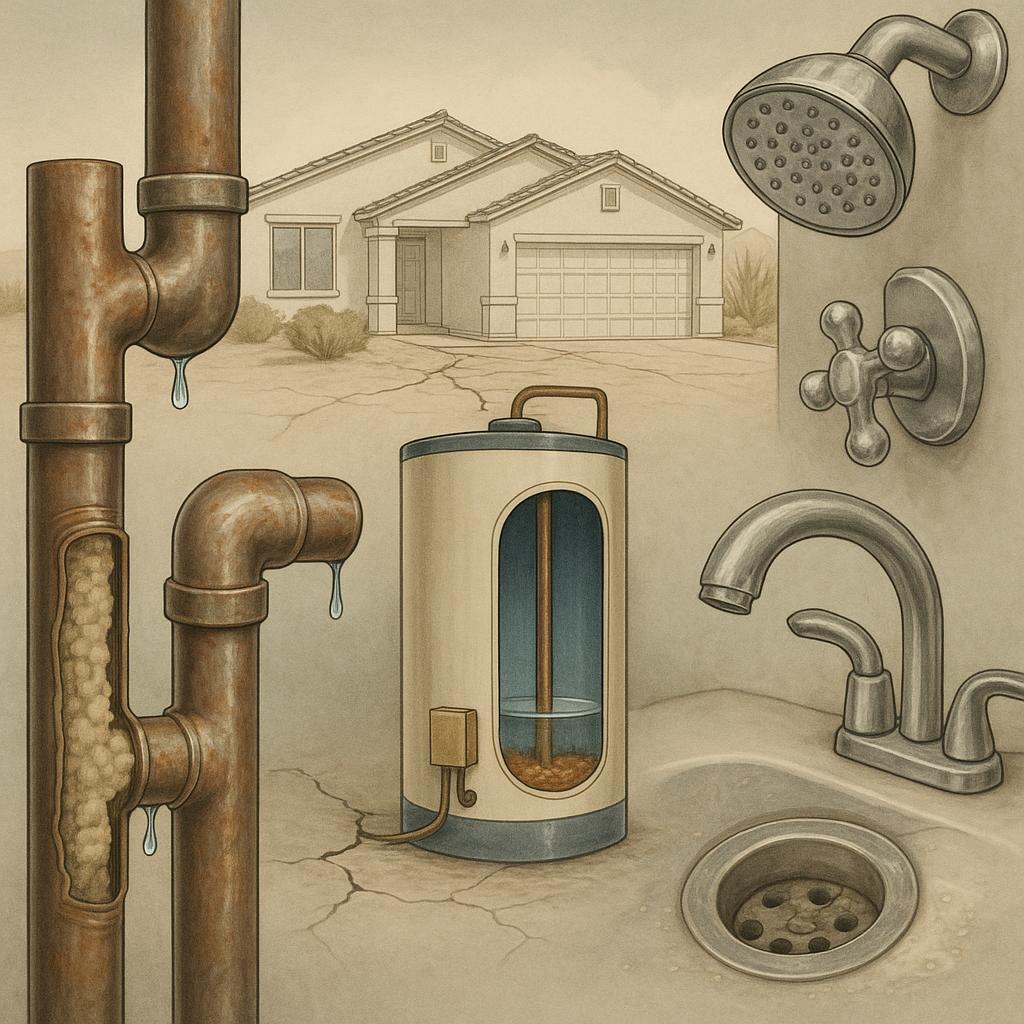
These dissolved minerals leave behind a chalky, white residue known as scale. This scale builds up inside your pipes, restricting water flow and reducing pressure. It also forms on faucets and showerheads, clogs appliances like dishwashers and coffee makers, and significantly shortens the lifespan of your water heater. Beyond the plumbing, it’s responsible for spotty dishes, stiff laundry, and dry, itchy skin.
The Solution: Fight Back with Filtration
The most effective way to combat hard water is to treat it before it enters your home’s plumbing. A professionally installed whole-home water filtration or water softening system removes these damaging minerals. This protects your entire plumbing system, extends the life of your appliances, and improves the quality of your water for bathing and cleaning.
2. Stubborn and Recurring Drain Clogs
Clogged drains are a frequent frustration for homeowners everywhere, but hard water in Las Vegas makes them worse. Soap scum binds with the minerals in hard water, creating tough, sticky blockages in your bathroom sinks and showers. In the kitchen, grease and food particles contribute to clogs that can bring your daily routine to a halt.
Professional Drain Cleaning vs. DIY Chemicals
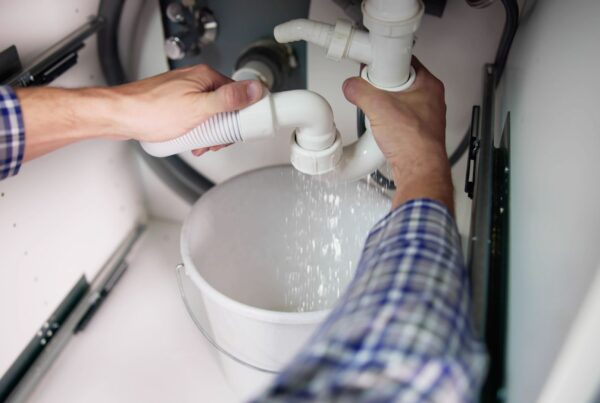
While it’s tempting to pour a chemical drain cleaner down the sink, these harsh liquids can damage your pipes over time and often fail to clear the entire blockage. For a lasting solution, professional drain cleaning services are the answer. Our experts at Monkey Wrench Plumbing use specialized tools to remove the clog completely and safely, restoring proper flow without harming your plumbing.
3. Water Heater Woes in the Desert Heat
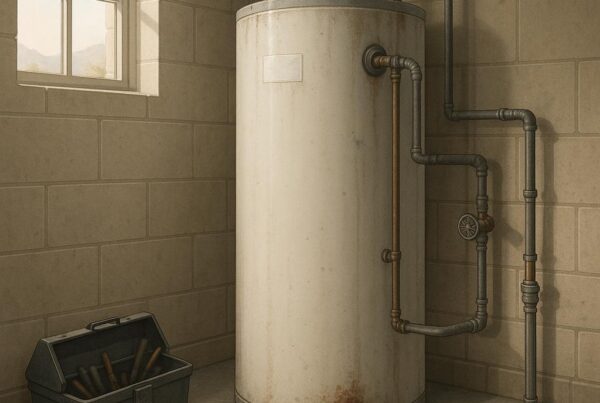
Your water heater works hard all year, but the hard water in Las Vegas is its greatest enemy. Sediment from mineral buildup collects at the bottom of the tank, creating a barrier that forces the heating element to work harder. This not only reduces efficiency and increases your energy bills but can also lead to premature failure.
Signs Your Water Heater is Failing
- Lukewarm Water: Insufficient hot water is a classic sign of sediment buildup.
- Strange Noises: Popping or rumbling sounds indicate the heating element is struggling to heat water through a layer of sediment.
- Discolored Water: Rusty or murky water can signal corrosion inside the tank.
- Leaks: Any water pooling around the base of the unit requires immediate attention.
Repair, Replace, or Upgrade?
If your water heater is over 8-10 years old and showing these signs, replacement is often the most cost-effective solution. Consider upgrading to an energy-efficient tankless water heater. These units heat water on demand, providing an endless supply of hot water, taking up less space, and lowering your utility bills—a smart investment for any Las Vegas home. Of course, we also service and install traditional tank-style water heaters.
4. Hidden Leaks (Including Slab Leaks)
Many homes in Las Vegas are built on a concrete slab foundation, with water lines running underneath. Over time, shifting soil and pipe corrosion can cause these hidden pipes to leak—a serious issue known as a slab leak. If not detected early, a slab leak can cause significant structural damage to your home.
How to Spot a Slab Leak
- An unexplained increase in your water bill.
- The sound of running water when no taps are open.
- Warm or damp spots on your floor.
- Cracks appearing in your walls or foundation.
- Low water pressure throughout the house.
If you suspect a leak, call a professional immediately. Regular plumbing maintenance can help catch these issues before they become catastrophes.
5. Aging Pipes and Outdated Materials
Many charming neighborhoods in areas like Paradise and Henderson feature homes built decades ago. While full of character, these older houses may have plumbing systems made from outdated materials like galvanized steel. These pipes are prone to corrosion from the inside out, which can lead to leaks, low water pressure, and discolored water.
Proactive Solutions for Older Homes
If you live in an older home, it’s wise to have your plumbing system inspected. A professional plumber can assess the condition of your pipes and recommend proactive repairs or repiping to prevent a catastrophic failure. Investing in modern plumbing materials ensures your home is safe, efficient, and up to current building codes.
Tired of Las Vegas Plumbing Problems?
You don’t have to deal with failing pipes, hard water headaches, or emergency leaks on your own. The licensed, experienced team at Monkey Wrench Plumbing is here to make your life easier. We find the real cause of your problem and fix it right the first time.
Frequently Asked Questions
Is a water softener really necessary in Las Vegas?
While not strictly “necessary” for water to be safe to drink, a water softener is highly recommended for Las Vegas homeowners. It prevents costly scale buildup in your pipes and appliances, helps soaps and detergents work more effectively, and can alleviate issues with dry skin and hair caused by hard water.
How often should I have my plumbing inspected?
A professional plumbing inspection every one to two years is a good rule of thumb. For older homes or properties with known issues, an annual inspection is recommended to catch potential problems like corrosion or small leaks before they escalate.
What’s the difference between a traditional and a tankless water heater?
A traditional water heater stores and continuously heats a large tank of water. A tankless water heater heats water on demand as it flows through the unit. Tankless models are more energy-efficient, provide an endless supply of hot water, and have a longer lifespan, often lasting 20 years or more compared to 10-15 for tank models.
Are chemical drain cleaners safe for my pipes?
We generally advise against using chemical drain cleaners. They contain harsh ingredients that can corrode older pipes, and they often only provide a temporary fix. For recurring clogs, professional drain snaking or hydro-jetting is a safer and more effective long-term solution.
Glossary of Plumbing Terms
- Hard Water: Water with a high concentration of dissolved minerals, primarily calcium and magnesium.
- Scale: The chalky, white mineral residue left behind by hard water, which can clog pipes and damage appliances.
- Slab Leak: A water leak in a pipe located beneath the concrete foundation (or “slab”) of a home.
- Tankless Water Heater: A system that heats water on-demand as it is needed, rather than storing it in a tank. This saves energy and provides a continuous supply of hot water.
- Water Softener: An appliance that removes hardness minerals (calcium and magnesium) from water through a process called ion exchange.