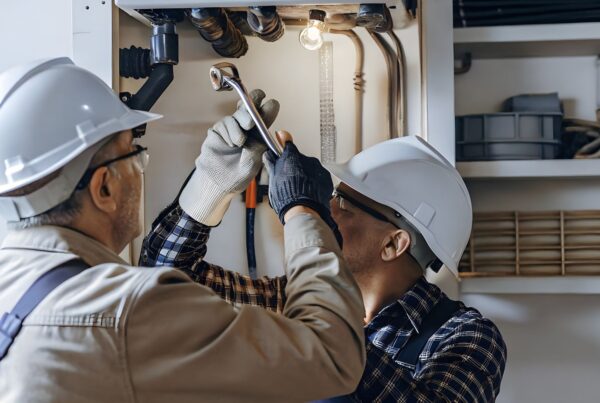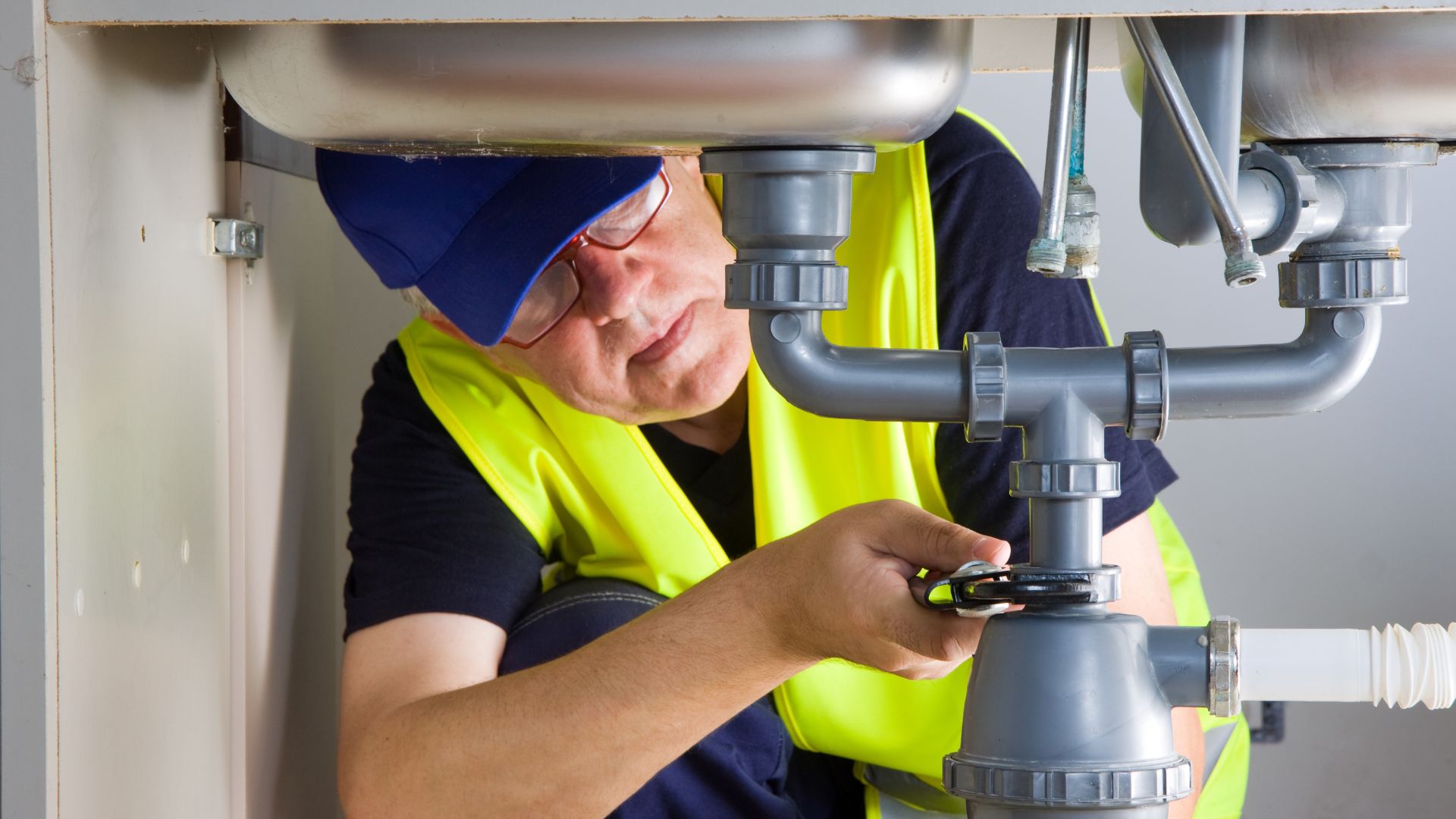
Plumber guidance is essential for homeowners and property managers who want to ensure the longevity and proper function of their plumbing systems. Pipes are exposed to daily wear and tear from water flow, temperature changes, and potential corrosion, making regular care a critical part of home maintenance. By understanding effective maintenance strategies, individuals can prevent leaks, blockages, and costly repairs while extending the life of their pipes. A plumber provides practical advice on cleaning, inspection, and preventive measures that protect pipes from damage. Following these professional recommendations helps maintain water quality, ensures efficient drainage, and preserves the overall integrity of the plumbing system, supporting long-term reliability and safety.
Regular Inspection of Pipe Systems
Routine inspections by a Plumber are essential to detect early signs of wear, leaks, or corrosion. Regularly checking joints, fittings, and visible pipe sections helps identify small issues before they escalate into major problems. These inspections also allow assessment of water flow, pressure, and potential buildup that could hinder efficiency. Detecting minor leaks or corrosion early prevents water damage and reduces repair costs. A consistent inspection schedule strengthens pipe longevity by addressing vulnerabilities promptly. By integrating professional checks into maintenance routines, homeowners can ensure their plumbing system remains functional, efficient, and reliable, reducing the risk of unexpected interruptions or extensive repairs.
Cleaning and Flushing Pipes
Plumber emphasizes the importance of periodic cleaning and flushing of pipes to maintain proper flow and prevent blockages. Sediment, mineral buildup, and debris can accumulate over time, reducing water pressure and increasing the risk of corrosion. By systematically flushing pipes and removing obstructions, the system operates more efficiently and lasts longer. Professional guidance ensures that cleaning methods are safe for the material type and local water conditions. Regular maintenance helps prevent clogs, improves water quality, and protects joints and valves from unnecessary stress. A clean plumbing system is less prone to damage and functions more effectively, supporting long-term durability and performance.
Importance of Periodic Pipe Cleaning
Regular cleaning of pipes prevents sediment and debris buildup that can reduce water flow and pressure. Consistent maintenance protects plumbing from corrosion, ensures efficient water movement, and extends the overall lifespan of the system.
Removing Mineral Buildup
Mineral deposits accumulate over time, causing blockages and strain on pipes. Flushing and cleaning eliminate these deposits, improve water quality, and reduce the risk of damage to joints and valves, promoting long-term system reliability.
Safe Flushing Techniques
Professional plumbers use methods that are safe for different pipe materials and local water conditions. Correct flushing techniques prevent unnecessary stress on plumbing components while maintaining efficient flow and reducing the likelihood of corrosion or leaks.
Preventing Clogs and Blockages
Periodic flushing removes debris that can obstruct pipes, ensuring smooth water movement. Preventing blockages protects fixtures, maintains water pressure, and reduces emergency repair needs, supporting a consistently functional plumbing system.
Enhancing Plumbing Longevity
A clean and well-maintained plumbing system experiences less wear and tear. Regular cleaning and flushing reduce strain on pipes, joints, and valves, ultimately extending the life of the system while ensuring optimal performance and efficiency.
 Monitoring Water Pressure and Flow
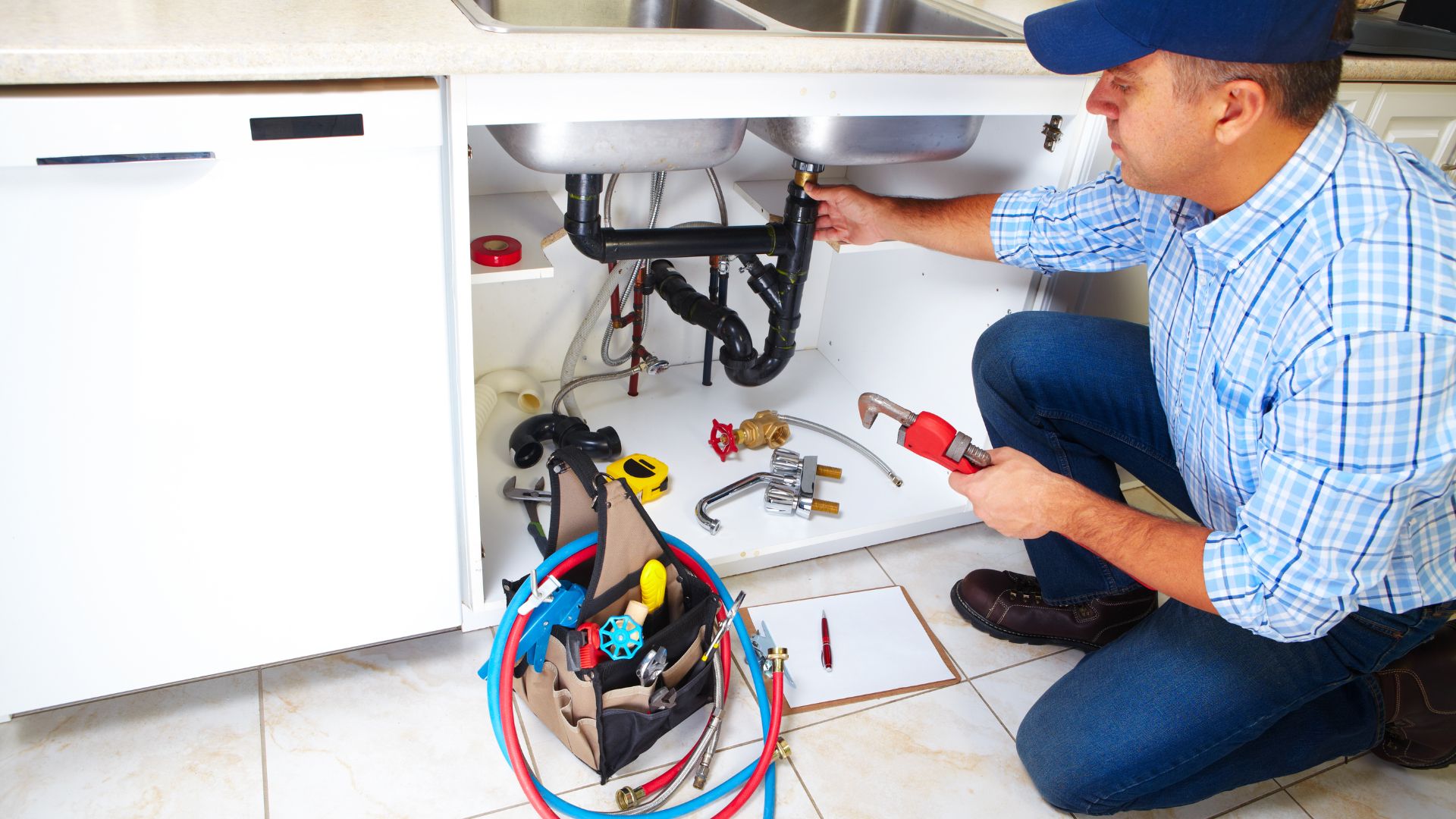
Maintaining optimal water pressure is vital for the longevity of pipes, and a Plumber provides guidance on monitoring these levels. Excessive pressure can stress joints and fittings, while low pressure may indicate blockages or leaks. By regularly measuring pressure and ensuring proper flow, potential issues can be addressed before causing pipe damage. Adjustments such as pressure regulators or minor repairs may be recommended to maintain balance. Monitoring flow patterns also highlights unusual activity or wear that could indicate hidden leaks. Regular attention to pressure and flow supports pipe integrity, prevents stress-related damage, and helps ensure consistent performance throughout the plumbing system.
Protecting Pipes from Temperature Damage
Temperature fluctuations and freezing conditions can significantly impact pipe durability, and a Plumber provides strategies to prevent damage. Insulating exposed pipes, controlling indoor temperatures, and monitoring outdoor water lines help reduce the risk of freezing, cracking, or expansion-related leaks. Understanding seasonal risks and taking preventive measures protects both indoor and outdoor plumbing. Maintaining consistent water temperatures also reduces stress on joints and valves, preventing premature wear. Professional advice ensures the right materials and methods are used for maximum protection. By proactively addressing temperature-related threats, homeowners can safeguard their plumbing system, reduce repair costs, and extend the lifespan of their pipes effectively.
Preventing Corrosion and Material Degradation
Pipe corrosion and material degradation can compromise water quality and structural integrity. Plumber techniques focus on reducing exposure to factors that accelerate wear, such as high mineral content, acidic water, and chemical contaminants. Regular inspections, water treatment solutions, and timely replacement of vulnerable sections help prevent deterioration. Corrosion-resistant materials may also be recommended for critical areas. Protecting pipes from these effects ensures the system remains safe, functional, and long-lasting. By addressing corrosion proactively, homeowners maintain water quality, reduce the likelihood of leaks, and avoid expensive emergency repairs. Preventive attention to material degradation is a cornerstone of effective plumbing maintenance and durability.
Proper Use of Valves and Fittings
The correct operation of valves and fittings is crucial for maintaining pipe longevity, as emphasized by a Plumber. Improper use, overtightening, or neglect can lead to leaks, joint failures, or uneven pressure distribution. Regular checks and gentle handling of valves ensure smooth function and prevent unnecessary strain on connected pipes. A professional may provide guidance on lubrication, tightening methods, or replacement schedules to maintain optimal performance. Ensuring valves and fittings are in good condition reduces the risk of sudden failures and protects the overall plumbing network. Proper attention to these components supports system reliability and long-term pipe durability.
Scheduling Preventive Maintenance Services
Preventive maintenance is a proactive approach to pipe longevity, and a Plumber emphasizes regular service schedules. Professional maintenance includes inspections, cleaning, flow adjustments, and minor repairs to prevent future problems. By adhering to scheduled maintenance, homeowners can detect issues early, reduce emergency repair costs, and maintain optimal system performance. Preventive care also ensures that all components function together efficiently, reducing stress on pipes and extending their lifespan. Professional guidance ensures maintenance routines are tailored to the specific plumbing system, local water conditions, and pipe materials. Consistent preventive attention promotes long-term reliability and enhances overall system durability.
Educating Homeowners on Pipe Care
Education is an essential aspect of plumbing longevity, and a Plumber provides homeowners with the knowledge to maintain their pipes effectively. Understanding daily habits, proper water usage, and minor maintenance tasks reduces the likelihood of accidental damage. Homeowners learn how to monitor for leaks, avoid excessive pressure, and recognize early signs of wear. Professional guidance empowers individuals to take an active role in preserving their plumbing system while supporting long-term durability. Educated homeowners can complement professional services with simple, safe actions that protect pipes, improve system efficiency, and prevent unnecessary stress or damage, ensuring lasting performance and reliability.
Conclusion
Proper pipe maintenance is essential for ensuring a reliable and long-lasting plumbing system. By following professional guidance, homeowners can prevent leaks, corrosion, and blockages while preserving water quality and system efficiency. Regular inspections, cleaning, and mindful use of valves and fittings all contribute to extending the life of pipes. Understanding how to protect plumbing from everyday wear and environmental factors allows for consistent performance and reduces the risk of costly repairs.
For expert assistance, Monkey Wrench Plumbing in Las Vegas offers professional services designed to help maintain your pipes and plumbing system. To schedule an appointment or learn more, call (702) 900-5992 and ensure the longevity and reliability of your home’s plumbing.