

A tankless heater heats water as it passes through a small heat exchanger, and that exchanger is exactly where minerals like to settle. Las Vegas water carries a lot of them. Let scale build up long enough and you start seeing error codes, swinging temperatures, and showers that go cold halfway through.
The good news is that a few simple habits head off a lot of service calls. The rest is work for a licensed plumber. Here is where that line sits.
Who does what
| Task | How often | Homeowner or pro? |
|---|---|---|
| Clean the cold-water inlet screen | When flow drops, or on the schedule in your manual | Usually homeowner |
| Descale the heat exchanger | On the interval your manual and your water call for | Some homeowners, many prefer a pro |
| Look over the unit for leaks and codes | Monthly | Homeowner |
| Gas, venting, and combustion checks | During professional service | Pro only |
| Pressure or expansion problems | When they show up | Pro |
Your owner's manual beats any general schedule, including this one. Keep the brand and model number handy for when you call.
Simple habits that prevent problems
- Find your service valves. Many installs have isolation valves with hose ports for flushing. If yours does not, that is a conversation for a plumber, not a weekend project.
- Clean the inlet screen when water volume drops or when the manual says to.
- Glance at the display. Take a photo of any error code before you clear it.
- Keep the area clear. Boxes, paint cans, and lawn gear do not belong around the cabinet or the vent.
- Treat burning smells or scorch marks as an emergency. Shut the unit down and call.
Set a phone reminder for the next descale the day this one is done. Scale keeps building whether you remember or not.
What a professional descale includes
- Closing the service valves and hooking up hoses
- Circulating a descaling solution through the heat exchanger with a small pump
- Cleaning the inlet filter
- Checking for leaks and test firing the unit
- Telling you whether your interval should be shorter based on what came out
If your unit was installed without service valves, ask about adding them. It makes every future descale quicker and cleaner.
Signs it has been too long
- Water temperature that drifts up and down during a shower
- Repeated codes tied to scale or flame
- A unit that runs louder than it used to
- Lower hot water flow when cold water pressure is fine elsewhere
- Bursts of cold water between hot that get worse over months
Scale builds slowly and costs more the longer it sits. A routine descale is cheaper than a heat exchanger.
How far DIY should go
Some manuals allow a homeowner flush with a small pump, a bucket, and white vinegar. Others call for a specific commercial descaler or say the job is for a technician. Doing it the wrong way can damage the exchanger and make a warranty claim harder. If your manual is vague or you have no service valves, have a pro do it.
Gas parts, venting, and electrical work are never maintenance projects. Leave them to a licensed tech.
Las Vegas water and your heater
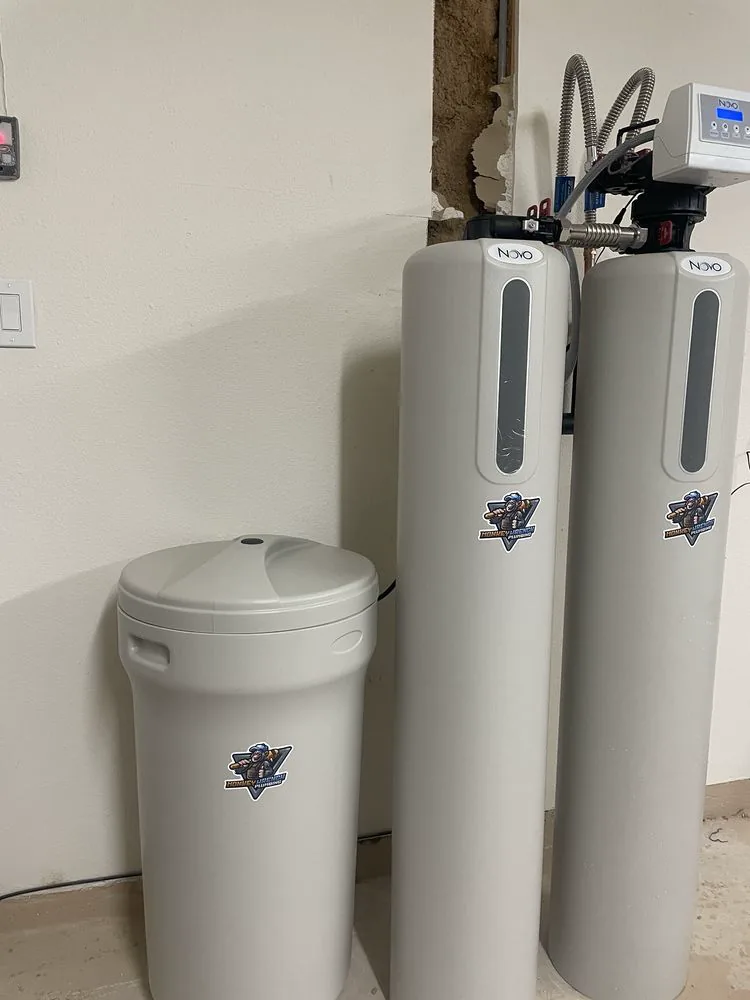
Hard water turns descaling from a nice extra into a reliability issue in the valley. A water softener can slow scale down, but it does not cancel the schedule in your manual. If you have a softener, a whole-house filter, or someone recently bypassed one, tell your plumber, because it changes how often the heater needs attention.
Big households and homes that host a lot of guests run their heaters harder. Match the maintenance schedule to how much hot water you really use.
Recirculation and sediment filters
A recirculation loop or a sediment filter ahead of the heater changes where debris collects. Mention both when you book. A clogged inlet screen can make a healthy heater look like it is dying, and the fix takes minutes.
Reading error codes
- Take a photo of the code and the model label
- Look up that exact code in your manual
- Do not keep clearing a code without fixing what caused it
- Note whether you lost hot water completely or only when several fixtures run at once
- Call right away for ignition trouble, a gas smell, or scorch marks
If scale codes come back soon after a descale, the cleaning may have been incomplete, a part may be failing, or the water may be harder than assumed. That calls for a diagnostic visit, not another round of vinegar.
Lukewarm water is not always scale
A unit that is too small for the house, too many fixtures running at the same time, or a failing recirculation pump can all feel like scale problems. Tell your plumber how many showers and appliances run at the same time on a busy morning. Descaling will not fix a sizing problem.
Garage and exterior installs
Many valley homes have tankless units in hot garages or outdoor closets. Combustion air and vent clearance matter even more there. Never block a vent to hide the unit.
Condensing models
Condensing tankless heaters produce water that has to drain freely. A clogged condensate line can shut the unit down or cause a leak. If yours is a condensing model, ask for the condensate line to be checked during service.
Keep the paperwork
Save every invoice for descaling and parts. Manufacturers and home warranty companies often ask for proof of maintenance, and a dated folder is far better than memory.
When maintenance becomes a repair question
Chronic codes after proper descaling, repeated heat exchanger trouble, or a unit near the end of its life turn the conversation toward repair or replacement. For routine descaling, repairs, or a second opinion, book tankless water heater service in Las Vegas with Monkey Wrench, your local plumber in Las Vegas.
FAQ
How often should a tankless heater be descaled in Las Vegas?
It depends on your water, your usage, and whether you have a softener. Start with your manual and ask your plumber whether your home needs a shorter interval.
Can I always use vinegar instead of a commercial descaler?
Only if your manufacturer allows it. Some do, and some specify a particular product.
Can a DIY flush affect my warranty?
It can if it is done in a way the manufacturer does not allow. When in doubt, have a pro do it and keep the invoice.
Do condensing and non-condensing units need the same care?
Both need descaling in hard water. Condensing units also need a clear condensate drain.


