

In the valley, a lot of plumbing runs through concrete slabs, attics that bake all summer, and yards full of drip lines, misters, and pool equipment. That makes it easy for a leak to go unnoticed for weeks. Usually the first sign is not a puddle. It is a water bill that does not make sense.
Here is how to tell whether you have a hidden leak, which outdoor gear tends to fool people, and when to call for help.
Five early warning signs
- Your bill jumped and your habits did not. Compare against the same month last year, since summer use always runs higher.
- A warm spot on the floor. Tile or concrete that feels warm in one area can mean a hot water line is leaking under the slab.
- The sound of water when nothing is on. Listen near walls and floors late at night.
- Stains, bubbling paint, or a musty smell. Common under upstairs bathrooms and behind kitchen cabinets.
- Lower pressure throughout the house. That can be a leak, a partly closed valve, or a problem on the utility side, so ask a neighbor too.
The 30-minute meter check
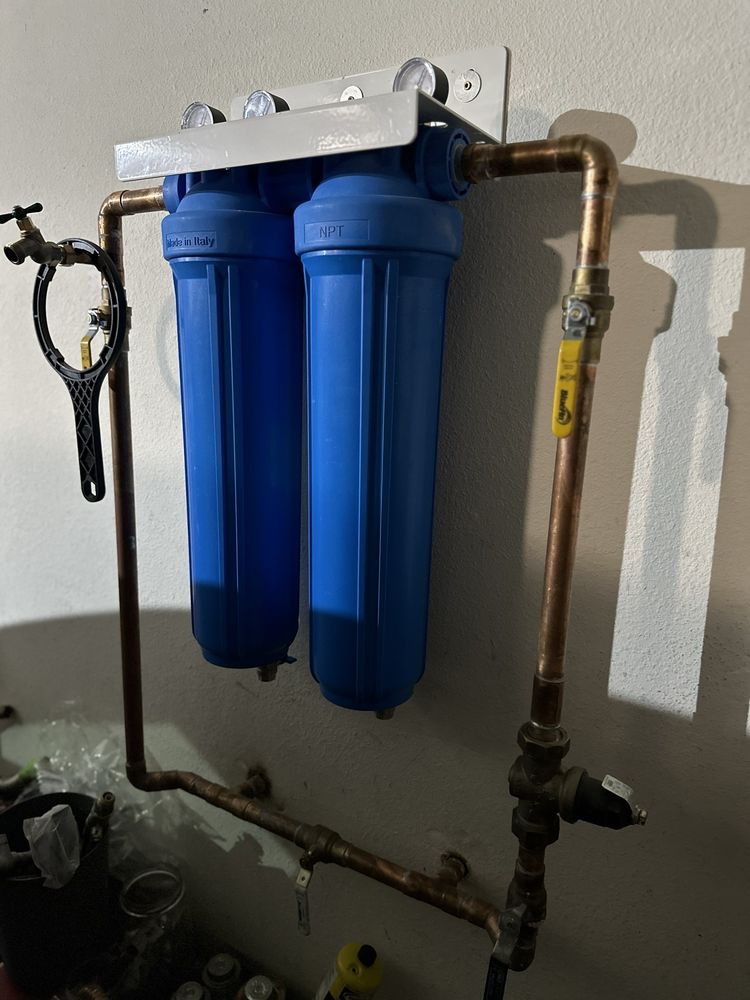
Shut off every water use inside and out. That includes irrigation, misters, the pool autofill, the ice maker, and the softener. Find your meter, note the reading or watch the small leak indicator, and wait about half an hour without using any water. If anything moved, water is escaping somewhere.
Outdoor gear that fools people
Desert homes have a lot of water running outside, and any of it can move the meter:
- Pool autofill valves can stick open and quietly top off the pool around the clock.
- Patio misters and their fittings drip, especially once hard water builds up.
- Evaporative coolers use water whenever they run.
- Drip irrigation lines get chewed, kinked, or split, and the gravel hides the evidence.
- Hose bibs that drip into rock landscaping never leave a puddle.
Turn all of that off before you test. If the meter stops once outdoor water is off, the problem is outside. If it keeps moving, look indoors.
Slab leaks
Many Las Vegas homes are built on slabs with water lines running underneath. When a hot water line wears through, the signs are a warm patch on the floor, a water heater that seems to run constantly, and a meter that never rests. Do not start breaking up tile to look. Mark the warm area, take a photo, and have the leak pinpointed first so any repair opens the smallest area possible. What detection, a spot repair, and a reroute cost is in our Las Vegas slab leak cost guide.
Hard water and older fittings
Hard water does not cause leaks by itself, but mineral buildup and corrosion take a toll on fittings, supply lines, and water heater connections over time. If your home has had pinhole leaks before, or your water heater is getting older, mention it when you call.
Things to avoid
- Opening several walls hoping to find the source
- Painting over a stain once it looks dry
- Writing off a high bill as "just summer" without testing
- Ignoring a warm floor because nothing looks wet
What leak detection involves
A technician will usually confirm the meter reading, then narrow down the source with isolation tests and listening equipment, and use a camera when the symptoms point toward a drain. The aim is to find the exact spot before anything is cut open.
Make the first visit faster
- Take a photo of your meter test
- Jot down when the bill started climbing
- Know where your main shutoff, softener, and water heater are
- Clear a path to the garage, closets, and the pool equipment pad
- Secure pets and leave side gates open
Rentals and HOA properties
If you own a rental, give tenants a simple way to report stains, sounds, or running water, and respond quickly. Small leaks turn into mold and costly turnovers when they sit. In condos and townhomes, water can travel through shared walls, so tell your plumber about neighbors on the other side of a wet wall.
Insurance
If flooring or drywall is soaked, photograph everything before it is removed and ask your insurance company what documentation they want. Your plumber can describe what was found and repaired, and your insurer decides what is covered.
After the repair
Run the meter test again a few days after the repair to make sure everything is holding. Keep the photos and invoice. If a stain comes back, call early.
Monkey Wrench Plumbing offers leak detection in Las Vegas for slab leaks, wall leaks, and outdoor lines. For anything else, call your neighborhood plumber in Las Vegas.
FAQ
Could a running toilet be my "hidden" leak?
Yes. Put a few drops of food coloring in each toilet tank and see whether color reaches the bowl without flushing.
My pool loses water. Is that a plumbing leak?
It might be evaporation, a leak in the pool itself, or a stuck autofill. Shutting off the autofill during the meter check helps narrow it down.
Do smart meter alerts mean I definitely have a leak?
They are a useful heads-up, not a diagnosis. Confirm with the meter check before anyone opens a wall.


